
शुक्रबार, १५ साउन २०८३



 News Bihani
Wednesday, 17 June 2026
News Bihani
Wednesday, 17 June 2026
A Reliable Option to Beat Fatigue: Is the Energy Drink Market Expanding Rapidly?
Kathmandu – Over the past two decades, the energy drink industry has emerged as one of the fastest-growing segments of the global beverage market. Once considered a product primarily targeted at athletes and specific consumer groups, energy drinks have now become part of the daily lifestyle of students, office workers, business professionals, drivers, fitness enthusiasts, and young people.
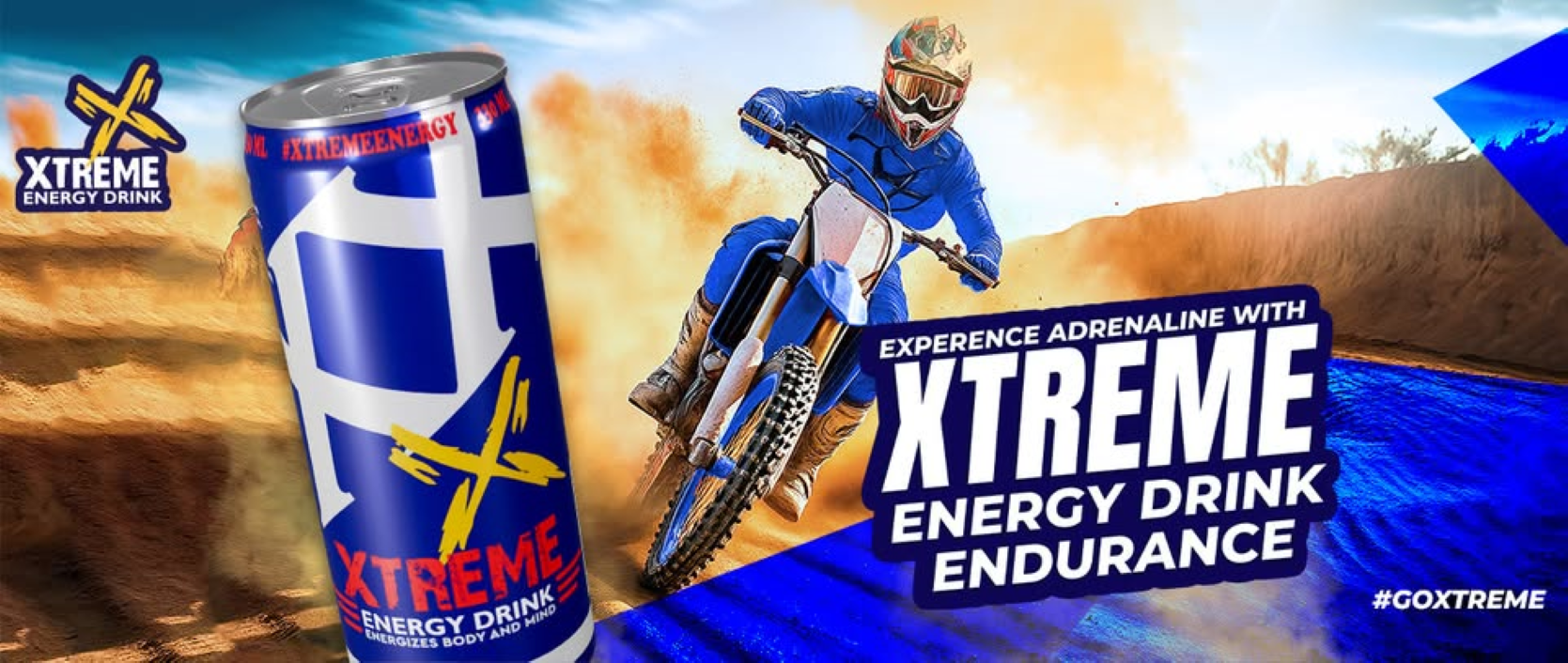
In Nepal as well, the energy drink market has expanded significantly in recent years. These products are now readily available in grocery stores, supermarkets, gyms, cafés, and online platforms. Various brands, including Xtreme, have positioned themselves as symbols of energy, alertness, focus, and performance.Today, Xtreme Energy Drink has become highly popular among consumers. Compared to other energy drinks available in the market, its taste, quality, and accessibility have helped Xtreme maintain its position as Nepal’s No. 1 energy drink brand.
How Does Xtreme Work?
Xtreme Energy Drink contains ingredients such as caffeine, taurine, B vitamins, and sugar. These elements help activate the body’s energy production processes, reduce fatigue, improve alertness, and minimize drowsiness. It can be particularly useful during long study sessions, workouts, sports activities, night shifts, or situations that require prolonged concentration and focus.
Myths and Facts About Energy Drinks
Many people believe that energy drinks contain excessive amounts of caffeine. However, the reality is different. The caffeine content in energy drinks is generally kept at moderate levels, and many energy drinks contain less caffeine than a typical cup of coffee.Similarly, taurine is an amino acid naturally produced by the human body. It plays an important role in maintaining the nervous system and brain function. During periods of extreme fatigue, stress, or high energy expenditure, the body may not produce sufficient taurine, which is why modern energy drinks often include it in appropriate amounts.
The B vitamins found in energy drinks are water-soluble vitamins. Any excess amount is naturally excreted by the body. These vitamins support energy production, help maintain nervous system function, and contribute to reducing fatigue.Glucose is also an important energy source for the brain. Especially during midday fatigue, physical exhaustion, or long working hours, sugar can provide the body with a quick energy boost. Energy drinks contain varying amounts of sugar depending on flavor profiles and product formulations.
Opportunities and Potential in Nepal
Nepal has a predominantly young population. Rapid urbanization, digital lifestyles, the growth of fitness culture, and the expansion of modern retail markets have created significant opportunities for the energy drink industry.According to industry experts, competition between local and international brands is expected to intensify in the coming years. Brands focusing on new flavors, health-oriented products, and innovation are likely to secure a stronger position
in the market.
Busy Lifestyles and the Younger Generation
With the advancement of digital technology, people are spending more time working, studying, and engaging in online activities. The lifestyle of the 21st century is significantly different from that of previous generations.Various studies by the World Health Organization indicate that sleep duration has been declining in modern societies, while mental and physical work-related pressures continue to increase. In such circumstances, the growing demand for products that provide immediate energy is considered natural.
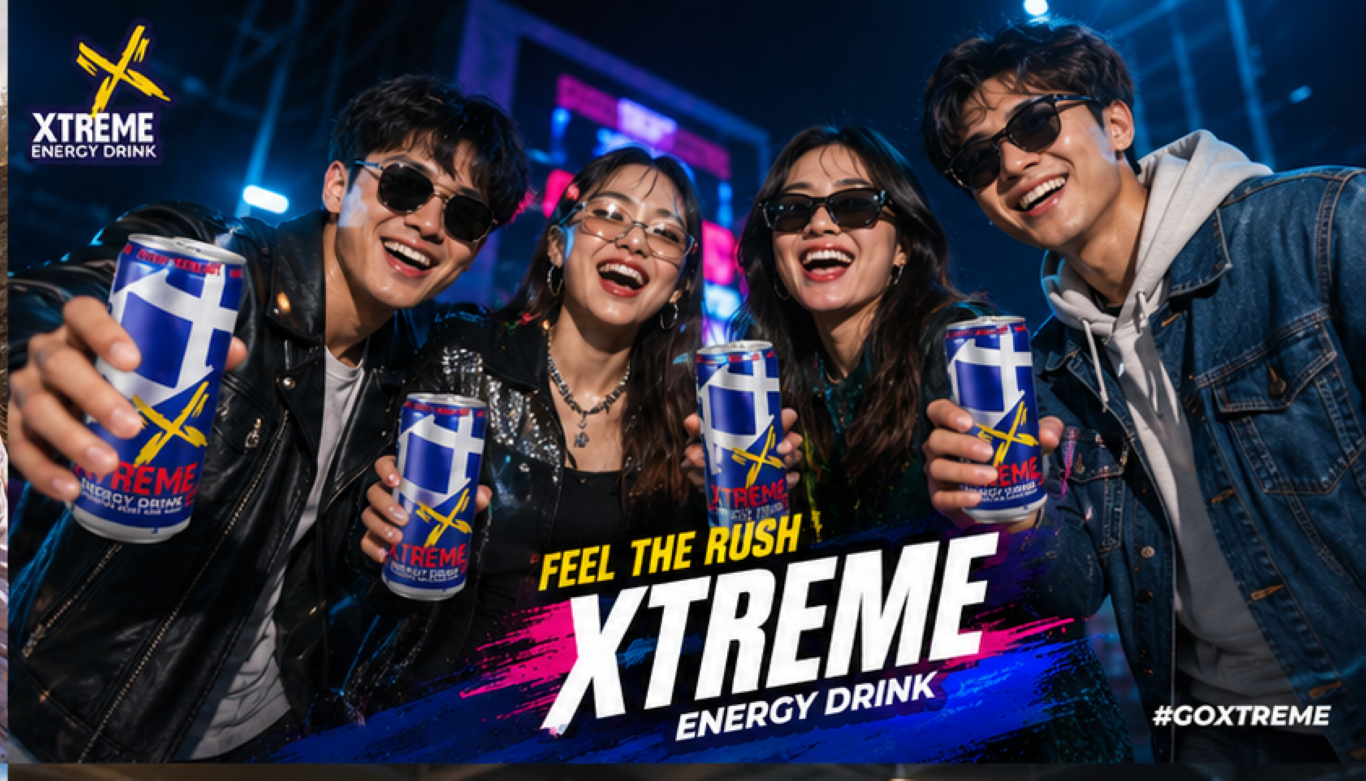
The energy drink industry has effectively utilized this demand as a market opportunity. Young people represent the largest consumer group for energy drinks. They are generally attracted to products featuring innovative flavors, modern packaging, appealing designs, and strong social appeal.The colors, logos, graphics, and messaging used by the Xtreme brand are specifically designed to resonate with younger audiences. Advertising messages such as “Power Up Your Day,” “Boost Energy,” and “Focus” directly address the ambitions and aspirations of today’s youth.
A Source of Economic Opportunity
The energy drink industry is not only a consumer market but also a significant source of economic opportunity. It generates direct and indirect employment across manufacturing, packaging, distribution, advertising, retail trade, and digital marketing.Through brand development and market competition, companies are contributing to broader economic activity. Industry stakeholders believe that countries with large youth populations are likely to experience even stronger growth in the energy drink market in the future.
The Fitness Industry Connection
The rapid growth of fitness culture in Nepal has provided a strong foundation for the expansion of the energy drink market. While gyms were once limited in number, fitness centers have now spread across the country.Growing health awareness, fitness trends on social media, and increasing sports participation have made young people more conscious of physical performance and well-being. Short-form videos, sports challenges, fitness campaigns, and influencer marketing have helped position energy drinks as symbols of a modern lifestyle.As a result, a strong relationship is being built between energy drink brands and fitness culture.
The Rise of the Conscious Consumer
Today’s consumers no longer view beverages solely as products that quench thirst. Instead, they increasingly associate them with personal performance and lifestyle choices.As consumer awareness grows, purchasing decisions are no longer based only on taste and price. Modern consumers seek products that offer experience, functionality, and lifestyle value. Energy drinks have successfully adapted to this shift in consumer behavior.Brands such as Xtreme have effectively built emotional connections with younger consumers by promoting messages of energy, enthusiasm, and performance.


.jpg)
.jpg)